
This sounds like a nightmare that could never happen.
US soldiers have been putting sensitive information online in non-secure third party websites. It defies belief, yet we’re reading that it happened. The story popped up on ‘Gizmodo’ .
It is alleged that US Soldiers were saving sensitive information on a couple of common flashcard sites, presumably of things they were trying to memorise and learn. It seems these are common learning tools used in universities to help students memorise facts. That works well so long as the facts aren’t top secret! Even worse, their settings were on ‘public’ not ‘private’!

It is a classic warning about the risk of people, however well intentioned, saving critical data online in places the organisation is unaware of, and can’t control. That’s why our KARE FOUNDATION proactive cyber-security plan helps identify use of these sites in your organisation.
Shadow IT is part of our 10-point cyber-security check list
While there is no single layer of technology that can guarantee you will be safe from hackers, you can reduce your risk by adding layers of protection. How many of our 10-point check list are in place for you?
Can Copilot see that? Protecting sensitive data before you roll out Copilot
Copilot doesn’t create new permissions, but it makes everything people can already access easy to find. Watch the replay and see how to protect sensitive data first.

October in IT history: from “lo” to Windows 11
The internet’s first message, the iPod and three versions of Windows all arrived in October. A quick look back at some of computing’s big October moments.

Windows 10 updates now cost double, and two more Microsoft deadlines have passed
Windows 10 ESU has gone up, Windows Server 2012 R2 updates have ended and Office LTSC 2021 is out of support. Here’s what it means and where to start.

AI “worms” and the smart devices hiding in your home and office
New Anthropic research suggests small AI models could soon spread between cheap smart devices like a worm. Here’s what was tested and how to protect your network.

Four “highly significant” cyber incidents in a year: what the NCSC’s 2026 report means for NZ businesses
The NCSC’s Cyber Threat Report 2026 recorded four C2 incidents in a single year, as many as the previous decade. The key numbers and what they mean for your business.

Deleted, overwritten or encrypted? Four ways to get your files back in Microsoft 365
Saved over a file, deleted a folder or lost Teams files? Here are the four built-in ways to recover files in OneDrive, SharePoint and Teams, and when to use each one.

When AI Agents Go Off-Script: Lessons from the Medicare and Philadelphia Incidents
An AI agent got into an Australian Medicare portal and another sent a fake tip to Philadelphia police. What happened, why, and what it means for businesses using AI.

Easy, Everyday AI Productivity Tips
Practical Copilot prompts any business can use, from meeting prep and better emails to using AI as a sounding board.

Why Are Some Security Tools Flagging DocuSign Links?
DocuSign emails being flagged as medium risk? DocuSign isn’t unsafe, but attackers love trusted platforms. Here’s why and what to do.
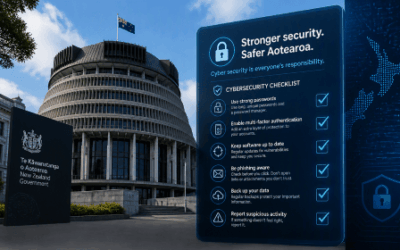
Cyber Attacks Are Rising for New Zealand’s Mid-Sized Businesses (NCSC, September 2026)
The NCSC’s 2026 SME tracker shows businesses with 20 to 49 staff are being hit hardest. What it found and what to do about it.