
Your own personalised stalker
It always seemed slightly creepy that your computer shows advertising that is strangely accurately targeted at things you might have been interested in. On the surface, that seems quite useful. If you have to tolerate ads on your screen, at least having them show things you were interested in seems helpful.
Instead, we wonder how the system knows. It feels like a breach of our privacy.
It all starts when you install an app, and it pops up a question asking for permission to use your location, and/or your camera and/or your microphone.
This is useful for advertisers. For example, they can use your location. If the app reports this back to the content provider, they can match up your location and compare you to other people nearby. If you tend to go to the same places as other people, you are probably interested in the same things, so an advertiser might use that assumption to present advertising to you, or other people that you spend time with.
That does sound a bit overreaching, but we reluctantly agree to the presented terms simply because we want to use the app. If that is a condition of use, and we want to use the app, then we agree.
So, now we are seeing consumers getting the choice to push back.

Apple
Now, with iOS15, Apple are saying that you will get to see what apps are accessing your data. You will be able to see when an app used that permission, and there it was sent to. Whether that list of third party sites is any use or not is meaningful is unclear.
Not quite as advanced but following quickly behind is Google Android. With Android 12, you will have the option to de-personalise your data. They will still track usage, but won’t link it back to you.
Is there any truth to the rumour that your phone or TV is listening to you, and presented content based on private conversations it overhears?
Given how poor the voice recognition is on phones , cars, or tools like Alexa or Siri, its pretty evident this can’t be reality. If it, is, then heaven only knows what it thinks it’s hearing. The voice recognition tools are getting better all the time, but there is a long way to go.


The Cybercrime Gang That Sends People Through Your Front Door
Silent Ransom Group phones staff pretending to be IT support, and when that fails, sends someone in person with a USB drive.
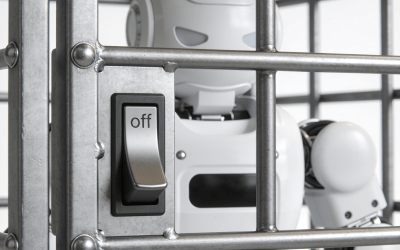
What Is Fable 5? Why Can’t You Access It Any More?
Why Anthropic switched off Fable 5 and Mythos 5 after a US export control directive, the timeline, and what it means for businesses.
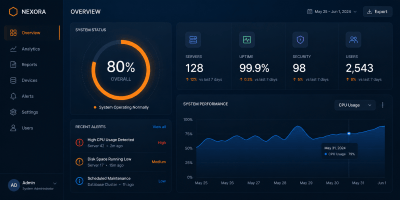
Webinar Replay: Unpacking Your Microsoft Secure Score
What Microsoft Secure Score measures, why it changes, and how to use it as a practical security roadmap.

Where Do You Start With AI?
A practical three-stage AI journey for NZ businesses: experiment, put governance in place, then operationalise.

NVIDIA’s Latest AI Announcements. Should You Pay Attention?
NVIDIA’s DGX, Vera and Cosmos announcements in plain English, and what they signal for businesses.
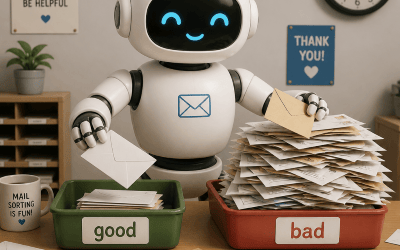
Sent Isn’t the Same as Delivered: When Your Own Emails Get Blocked
A legitimate booking link in an email signature suddenly got emails quarantined, with no warning. What happened and what it means for you.

We Asked Our Hardware Supplier About “Next Business Day” Warranties. The Answer Wasn’t Great
“Next Business Day Onsite” warranties cover the response, not the repair. What they really mean and how to protect critical devices.
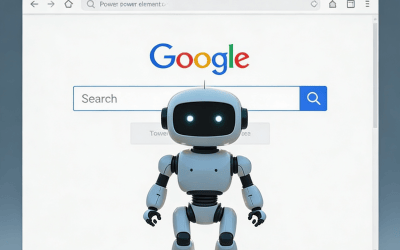
The Google Change That Could Cut Your Website Traffic Overnight
Google’s AI Overviews answer questions on the results page, so fewer people click through. What’s changing and what to do now.
Webinar Replay: Microsoft Copilot Updates, Agent Mode, Claude and Tasks
A practical 30-minute look at Copilot Agent Mode, Claude in Copilot, Cowork and two small features with a big impact.
Is Apple’s AI Reboot Anything to Be Excited About?
Apple Intelligence takes a different approach to AI: built in, on-device and personal. What’s here now and what’s coming.