
What is ‘Shadow IT’?
Shadow IT refers to the various web tools informally in use within most organisations. These tools are often chosen without reference to IT or to management in general.
They are often used for all the very best reasons. Your colleagues have work to do, and these tools help them, so they get used. You might know about some because there is a subscription charge, but others might be free.
These tools can be anything from simply keeping lists of tasks to do, sharing information or managing workflows, providing newsletter lists, or recruiting staff. Its endless.
There’s all sorts of web pages out there that your people will be finding useful and will be using.

The question is, do you know what is being used on your behalf?
Even more importantly, do you know who’s got access to them? As your staff come and go, do you know to change passwords or reset user accounts to make sure that no one who has left you (maybe even gone to a competitor) is still able to access your confidential data?
Shadow IT is one of the largest threats to data privacy in organisations today. It’s not necessarily because these sites are going to be hacked, although it’s always possible, but it’s because if you don’t know the tools are in use, then there is no way that you can manage them!
The first step to maintaining this data is to identify them, and that’s why you need new tools that are cloud focused.
If you’re still using the same old security tools that you used prior to the cloud, then you are simply not keeping up and we need to talk!
Here’s a story about what happens if you don’t have this under control: Why you need to know all the cloud services that your organisation uses – IT Solutions and Managed Services (outsource.co.nz/)
Shadow IT is part of our 10-point cyber-security check list
While there is no single layer of technology that can guarantee you will be safe from hackers, you can reduce your risk by adding layers of protection. How many of our 10-point check list are in place for you?
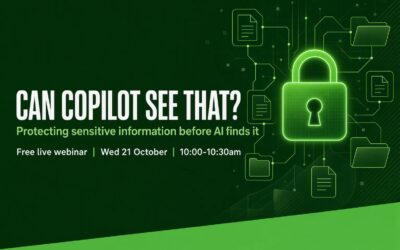
Can Copilot see that? Protecting sensitive data before you roll out Copilot
Copilot doesn’t create new permissions, but it makes everything people can already access easy to find. Watch the replay and see how to protect sensitive data first.

October in IT history: from “lo” to Windows 11
The internet’s first message, the iPod and three versions of Windows all arrived in October. A quick look back at some of computing’s big October moments.

Windows 10 updates now cost double, and two more Microsoft deadlines have passed
Windows 10 ESU has gone up, Windows Server 2012 R2 updates have ended and Office LTSC 2021 is out of support. Here’s what it means and where to start.

AI “worms” and the smart devices hiding in your home and office
New Anthropic research suggests small AI models could soon spread between cheap smart devices like a worm. Here’s what was tested and how to protect your network.

Four “highly significant” cyber incidents in a year: what the NCSC’s 2026 report means for NZ businesses
The NCSC’s Cyber Threat Report 2026 recorded four C2 incidents in a single year, as many as the previous decade. The key numbers and what they mean for your business.

Deleted, overwritten or encrypted? Four ways to get your files back in Microsoft 365
Saved over a file, deleted a folder or lost Teams files? Here are the four built-in ways to recover files in OneDrive, SharePoint and Teams, and when to use each one.

When AI Agents Go Off-Script: Lessons from the Medicare and Philadelphia Incidents
An AI agent got into an Australian Medicare portal and another sent a fake tip to Philadelphia police. What happened, why, and what it means for businesses using AI.

Easy, Everyday AI Productivity Tips
Practical Copilot prompts any business can use, from meeting prep and better emails to using AI as a sounding board.

Why Are Some Security Tools Flagging DocuSign Links?
DocuSign emails being flagged as medium risk? DocuSign isn’t unsafe, but attackers love trusted platforms. Here’s why and what to do.
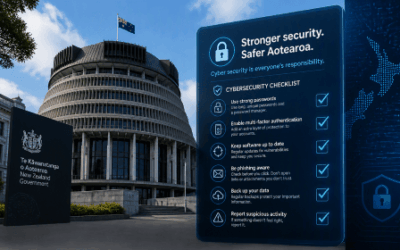
Cyber Attacks Are Rising for New Zealand’s Mid-Sized Businesses (NCSC, September 2026)
The NCSC’s 2026 SME tracker shows businesses with 20 to 49 staff are being hit hardest. What it found and what to do about it.