
What is ‘Shadow IT’?
Shadow IT refers to the various web tools informally in use within most organisations. These tools are often chosen without reference to IT or to management in general.
They are often used for all the very best reasons. Your colleagues have work to do, and these tools help them, so they get used. You might know about some because there is a subscription charge, but others might be free.
These tools can be anything from simply keeping lists of tasks to do, sharing information or managing workflows, providing newsletter lists, or recruiting staff. Its endless.
There’s all sorts of web pages out there that your people will be finding useful and will be using.

The question is, do you know what is being used on your behalf?
Even more importantly, do you know who’s got access to them? As your staff come and go, do you know to change passwords or reset user accounts to make sure that no one who has left you (maybe even gone to a competitor) is still able to access your confidential data?
Shadow IT is one of the largest threats to data privacy in organisations today. It’s not necessarily because these sites are going to be hacked, although it’s always possible, but it’s because if you don’t know the tools are in use, then there is no way that you can manage them!
The first step to maintaining this data is to identify them, and that’s why you need new tools that are cloud focused.
If you’re still using the same old security tools that you used prior to the cloud, then you are simply not keeping up and we need to talk!
Here’s a story about what happens if you don’t have this under control: Why you need to know all the cloud services that your organisation uses – IT Solutions and Managed Services (outsource.co.nz/)
Shadow IT is part of our 10-point cyber-security check list
While there is no single layer of technology that can guarantee you will be safe from hackers, you can reduce your risk by adding layers of protection. How many of our 10-point check list are in place for you?

The Cybercrime Gang That Sends People Through Your Front Door
Silent Ransom Group phones staff pretending to be IT support, and when that fails, sends someone in person with a USB drive.

What Is Fable 5? Why Can’t You Access It Any More?
Why Anthropic switched off Fable 5 and Mythos 5 after a US export control directive, the timeline, and what it means for businesses.
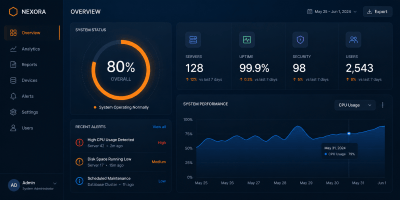
Webinar Replay: Unpacking Your Microsoft Secure Score
What Microsoft Secure Score measures, why it changes, and how to use it as a practical security roadmap.

Where Do You Start With AI?
A practical three-stage AI journey for NZ businesses: experiment, put governance in place, then operationalise.

NVIDIA’s Latest AI Announcements. Should You Pay Attention?
NVIDIA’s DGX, Vera and Cosmos announcements in plain English, and what they signal for businesses.

Sent Isn’t the Same as Delivered: When Your Own Emails Get Blocked
A legitimate booking link in an email signature suddenly got emails quarantined, with no warning. What happened and what it means for you.

We Asked Our Hardware Supplier About “Next Business Day” Warranties. The Answer Wasn’t Great
“Next Business Day Onsite” warranties cover the response, not the repair. What they really mean and how to protect critical devices.
The Google Change That Could Cut Your Website Traffic Overnight
Google’s AI Overviews answer questions on the results page, so fewer people click through. What’s changing and what to do now.

Webinar Replay: Microsoft Copilot Updates, Agent Mode, Claude and Tasks
A practical 30-minute look at Copilot Agent Mode, Claude in Copilot, Cowork and two small features with a big impact.

Is Apple’s AI Reboot Anything to Be Excited About?
Apple Intelligence takes a different approach to AI: built in, on-device and personal. What’s here now and what’s coming.