If you don’t where it is, you can’t protect it.
Do you know where ALL your organisation’s data is – not physically, but on which web and cloud services?
Here’s the problem. If you don’t where it is, then you can’t protect it. The secondary problem is finding out, because not everyone in your organisation will be onboard. It is common for people to sign up to web services because they offer something useful that helps them do their job.
They sign up using their email address and creating a password. There is the first headache – how does anyone track what has been signed up to across your organisation, let alone who has access to it? If that person leaves, no one will change the account credentials if they don’t know about it, but your ex-colleague still has access.
Secondly, what data do they upload? Is that data that you have a legal or moral responsibility for?
There’s nothing noble about Nobelium.
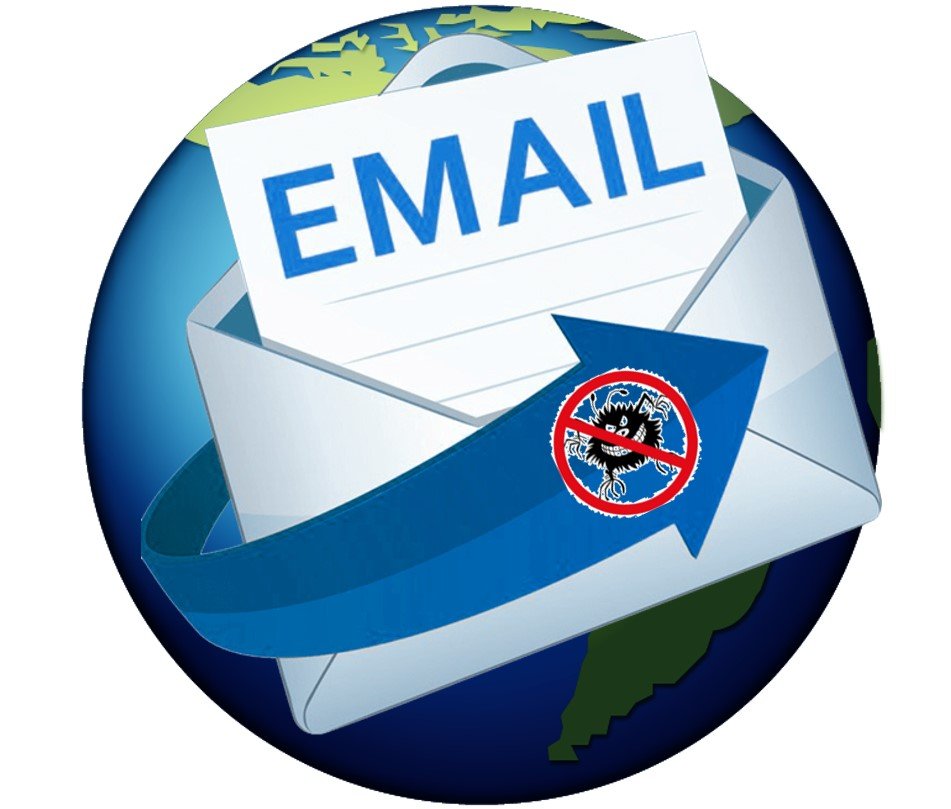
This isn’t theory – it’s real. USAID is a pretty important US organisation – promoting democracy and human rights around the world. Turns out, someone there was using a well-known email database tool called Constant Contact. But their account wasn’t well protected. Worse still, their account had a huge mailing set up, and of course, it had all the official USAID templates.
So, these Nobelium people, allegedly a Russian state-sponsored hacker group, compromised the Constant Contact account and sent a bulletin out. The bulletin contained malware that allowed the hackers to take command and control over victims computers. Ironically the fake email alleged interference in the US federal elections.
So, what can you do?
The first step is knowing what SaaS tools your people are using. We call this SHADOW IT and it is inevitable. Rather than stopping it, the job IT has is to identify it and manage it. The second step is to secure those platforms. That’s why our KARE for Security S2 plan contains a useful tool to help you identify what services your people are using.
Refer : What We Know About The Apparent Russian Hack Exploiting USAID : NPR

HELPING BUSINESSES TAKE FLIGHT IN AZURE CLOUD
When premier New Zealand law firm Mayne Wetherell’s on-premise servers hit end of life, they had two options: Invest in new servers or find a new way of running their IT. A Kinetics FlightPlan best practice IT review shone a light on the company’s stakeholder...

Christmas is the season for… (Our Christmas hours)
For some, Christmas is the season for relaxing and enjoying. For others it is work, work work! So our Christmas hours are.... 24/7 ! While a number of our clients take a well-earned break at this time of year, it's the busy season for others. We have...

How FlightPlan helped a leading legal firm
Overview Every year, premier Kiwi law firm Mayne Wetherell takes on up to 8 graduates and summer clerks as part of its popular recruitment programme. But on-premise hardware and perpetually licensed software are not by their nature made for rapidly scaling services...

Excel’s Best Ideas
Have you noticed the ‘IDEAS’ icon in Excel? (It used to be called ‘Insights’ ). It’s Excel’s attempt to make you look smarter and more thoughtful. Simply start with a table (not a pivot table) of data, and hit the idea’s button and see what comes. Based on my...
Security, Security, Security
Security, Security, Security.The theme of the latest “IT Nation” Conference in Florida was firmly on security. This is an important conference for us and we now go each year to what is possibly the biggest gathering of IT firms like Kinetics, to learn the latest...

When you DON’T buy some thing on TradeMe
Its hard not to be impressed by this beauty of a phishing mail - but DON'T BE FOOLED! The item link goes to a genuine item on TradeMe, but when you look closely The email came from mailer@traderme.co.nz - that's right... traderme (not trademe) If you hover the mouse...
Do you know anyone trying to get a career underway in IT?
Here at Kinetics we encourage young people that want a career in IT. And we know that getting started is always the hard part. To help, we run an intern program and encouraged senior staff in mentoring new comers to IT. Kinetics know that starting a career can...

Windows 10 1909 – what’s in the latest update?
At last – Windows 10 1909 – the long awaited second Windows 10 update for 2019. Were you waiting for it? Actually it’s unlikely! In fact the first update, from March, is only just rolling out now, so it will be some time before this version hits your PC or laptop....

“Request for Information” warning
A recently released report on the Botnet 'MasterMana' has highlighted a simple but effective social engineering technique. MasterMana has been spreading via emails requesting information on products or services offered by the target company. The email is...

Eliot Sinclair Case study – FlightPlan (Best Practice Review)
Overview Eliot Sinclair & Partners (ESP) provide surveying, engineering, planning, landscape architecture and urban design consulting. Headquartered in Christchurch, New Zealand, Eliot Sinclair have provided consultancy services across South Pacific and Asia with...