
Your own personalised stalker
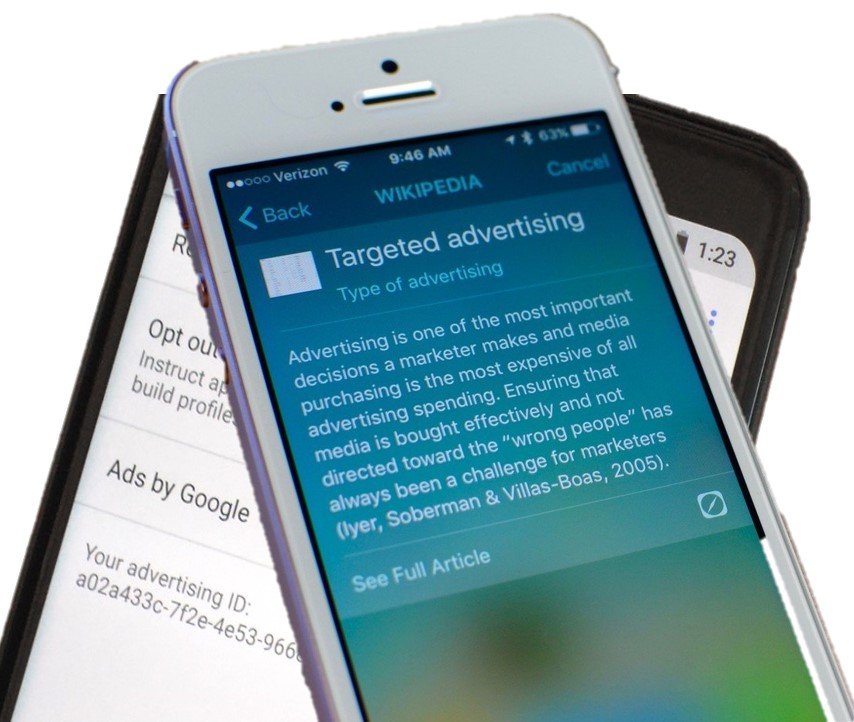
It always seemed slightly creepy that your computer shows advertising that is strangely accurately targeted at things you might have been interested in. On the surface, that seems quite useful. If you have to tolerate ads on your screen, at least having them show things you were interested in seems helpful.
Instead, we wonder how the system knows. It feels like a breach of our privacy.
It all starts when you install an app, and it pops up a question asking for permission to use your location, and/or your camera and/or your microphone.
This is useful for advertisers. For example, they can use your location. If the app reports this back to the content provider, they can match up your location and compare you to other people nearby. If you tend to go to the same places as other people, you are probably interested in the same things, so an advertiser might use that assumption to present advertising to you, or other people that you spend time with.
That does sound a bit overreaching, but we reluctantly agree to the presented terms simply because we want to use the app. If that is a condition of use, and we want to use the app, then we agree.
So, now we are seeing consumers getting the choice to push back.

Apple
Now, with iOS15, Apple are saying that you will get to see what apps are accessing your data. You will be able to see when an app used that permission, and there it was sent to. Whether that list of third party sites is any use or not is meaningful is unclear.
Not quite as advanced but following quickly behind is Google Android. With Android 12, you will have the option to de-personalise your data. They will still track usage, but won’t link it back to you.
Is there any truth to the rumour that your phone or TV is listening to you, and presented content based on private conversations it overhears?
Given how poor the voice recognition is on phones , cars, or tools like Alexa or Siri, its pretty evident this can’t be reality. If it, is, then heaven only knows what it thinks it’s hearing. The voice recognition tools are getting better all the time, but there is a long way to go.

Newsflash – US Nuclear secrets leaked online through Shadow IT
This sounds like a nightmare that could never happen. US soldiers have been putting sensitive information online in non-secure third party websites. It defies belief, yet we’re reading that it happened. The story popped up on ‘Gizmodo’ . It is alleged that US Soldiers...
We’re not immune to outages either 🙁
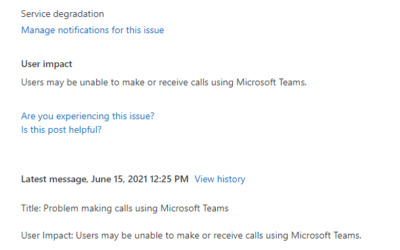
Trans-Tasman outages On the 15th June Microsoft experienced issues across Australia and New Zealand with Teams calling. For Those of us using Microsoft Teams as our phone system, they stopped working. We experienced issues with inbound and outbound calls. The...

“LOCK ‘EM UP AND THROW AWAY THE KEYS”
Password Vaults and You With more and more websites necessary for our everyday activities, it’s getting harder and harder to manage passwords. By now, you will know not to write passwords on post-it notes and paste them on your screen. It's not uncommon for...

You probably have a cyber-insurance problem, but don’t know it
Good practice last year isn’t good enough anymore. Even cyber-insurance providers are getting more selective before accepting cover, or worse, before paying claims. With the number of claims skyrocketing insurers are increasingly asking, "What did you do to...

Are all (cheap) phone and laptop chargers safe?
Finding the best deal This news scared me! I'm always looking for slimmer, lighter and more powerful phone chargers. As someone who likes to travel light, but be ready for anything, I always have an eye out for small chargers that can power not just my phone, but...
Improved Dictation Tool in Word and Outlook
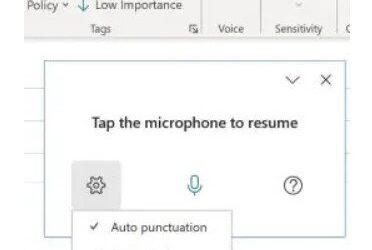
This whole article was written using the dictation tool! **** **** ********. We all know Microsoft are constantly updating and evolving their products. This includes the dictation tool in Word and Outlook. Recently there have been improvements including Auto...

Why you need to know all the cloud services that your organisation uses – part 2 – (US DoD Nuclear Secrets!)
People are the weakest link This sounds like a nightmare too impossible to happen. US soldiers putting sensitive information online in non-secure third party websites. It defies belief, yet we’re reading that it happened. The story popped up on ‘Gizmodo’ It is alleged...

Why you need to know all the cloud services that your organisation uses
If you don't where it is, you can't protect it. Do you know where ALL your organisation's data is - not physically, but on which web and cloud services? Here's the problem. If you don't where it is, then you can't protect it. The secondary problem is finding out,...

Should it be illegal to pay ransomware in NZ?
The Trillion dollar industry At the time of writing, the Waikato DHB cyber-attack is ongoing. The government is refusing to pay the ransom as a point of principle, and it looks like every possible tool at their disposal is being used to try to recover the situation....

What’s a WiFi Booster and how else can I speed up my WiFi?
Ever seen an online ad for WiFi boosters? What are they and do they work? The first technique to improve WiFi performance is to consider the location of the wireless access points. They need to be in the middle of the group of people using them, not tucked in a...